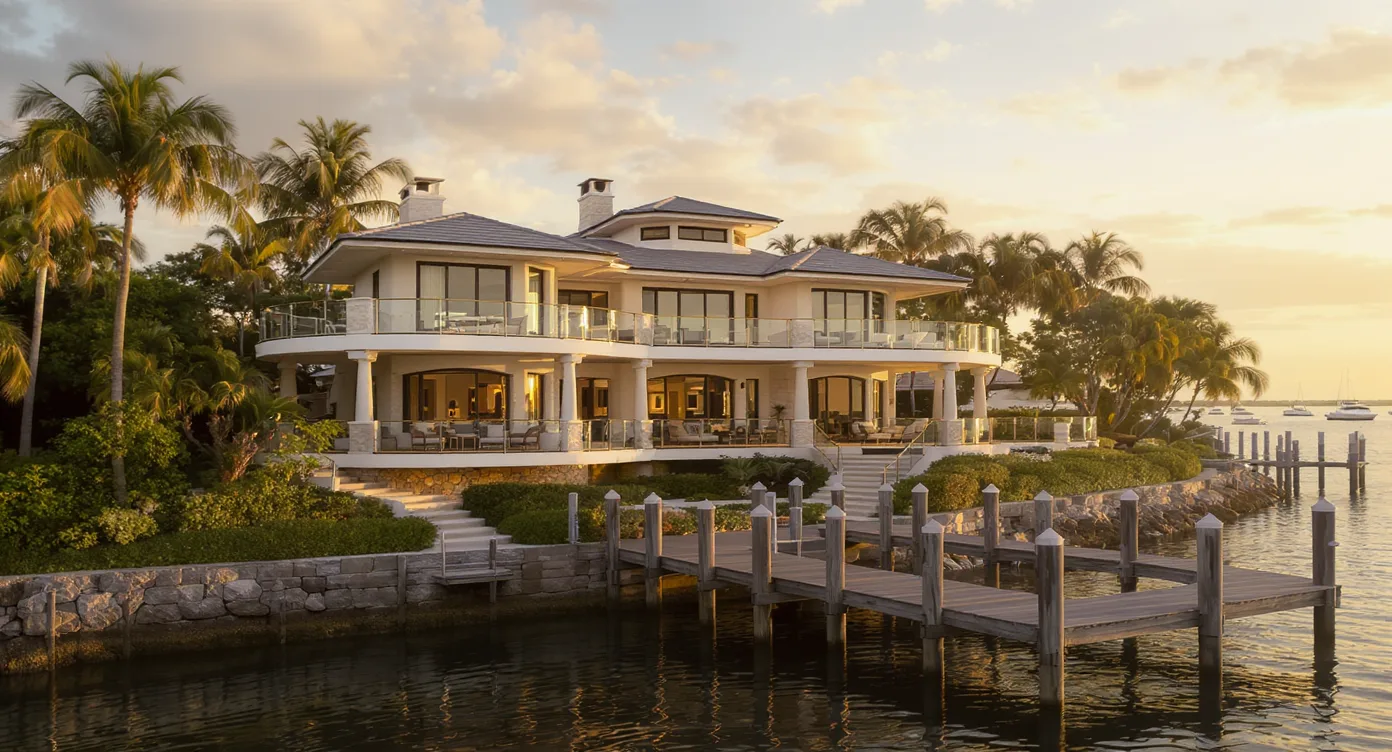
custom home building
What Should I Look for in a Custom Home Builder Serving Tampa?
Choosing a custom home builder in Tampa: how waterfront lots, historic districts, flood zones, and coastal wind rules make local track record matter.
The most important thing to look for in a custom home builder serving Tampa is a real, verifiable track record in Tampa's specific conditions, not just a license and a nice portfolio. Tampa is where flood-zone lots, coastal wind rules, and historic-district review all show up in the same market, sometimes on the same street, and a builder who works here every week treats those as routine engineering rather than mid-project surprises. The license tells you a builder is eligible to work in Florida. The local record tells you whether they can actually deliver on a Davis Islands waterfront lot or a Hyde Park bungalow renovation without the schedule falling apart. Here's what to weigh.
Why "Serving Tampa" Should Mean Something Specific
Plenty of builders will say they serve Tampa. The question is whether they've completed homes in the neighborhoods you're considering. South Tampa's waterfront and historic corridors, such as Davis Islands, Hyde Park, and the Bayshore area, carry conditions that inland subdivisions simply don't, and each one shapes design and cost. A builder fluent in these submarkets can walk your lot and tell you what the flood zone, the setbacks, and the wind requirements mean for your plan before you're financially committed. That fluency is the single biggest predictor of a smooth Tampa build.
Waterfront and Historic Lots Change the Build
Many of Tampa's desirable lots sit in or near flood zones, which dictate finished-floor elevation and foundation design under the Florida Building Code. Coastal areas within roughly a mile of the water fall in the wind-borne-debris region, where the code requires impact-resistant glazing or code-approved shutters to protect openings. And in a historic district, design review can sit on top of standard permitting, adding time that has to be built into the schedule. None of this makes a Tampa custom home harder to build; it makes local experience the thing that keeps the project on track. A builder seeing these requirements for the first time on your project is a builder learning on your dime.
Verify the License, Then Verify the Local Track Record
Start with the paperwork: confirm the company or its qualifying agent on the state's Verify a Licensee tool and check that the license is active and clean. Then go beyond it. Ask to see finished Tampa-area homes in person, look closely at the finish details that are easy to rush, and speak with owners a year or two into living there. The most useful reference isn't a glowing quote. It's an honest account of how the builder handled a flood-elevation curveball or a historic-review delay. That's the situation you're really hiring for.
What to Ask a Tampa Builder
Keep the interview pointed:
- Have you completed homes in this neighborhood, and can I see them? Neighborhood-specific experience is the whole point.
- How do you handle flood-zone elevation and coastal wind requirements? You want a builder who plans for them in design, not one who reacts at permitting.
- What's your allowance and change-order process? Clear, written processes keep a custom budget honest.
- Who runs my job day to day, and how will I hear from you? Know your point of contact before construction starts.
Weigh References Over the Lowest Bid
On a Tampa custom home, the lowest number rarely stays the lowest. Waterfront and historic lots carry site conditions that a thin bid tends to underprice, and those costs reappear later as change orders once the flood elevation or the district review is real. A more reliable signal than price is a set of honest references: owners who can describe how the builder handled a surprise, and a track record of finished homes you can actually stand in. Judge the builder on delivered work and candor about the hard parts, and let the number follow the scope rather than lead it.
Carapezza has built and renovated custom homes across Greater Tampa Bay since 1989, Tampa and its South Tampa submarkets included, and confirming a lot's flood, wind, and district requirements is part of our very first conversation, long before design is locked.
Planning a custom home in Tampa? Call (813) 707-0235 or explore our custom homes and portfolio, then contact us to walk your lot and its requirements.
Questions
Frequently Asked Questions
What makes building a custom home in Tampa different?+
Tampa's most sought-after neighborhoods sit on or near the water, which brings flood-zone elevation requirements and, in coastal areas, wind-borne-debris opening protection. South Tampa also has historic districts with their own review. A Tampa builder works through those realities as routine, not as surprises, so local track record matters as much as the license.
How do I check a Tampa builder's license and reputation?+
Confirm the license on the Florida Department of Business and Professional Regulation's Verify a Licensee tool, then look at finished homes the builder actually delivered in Tampa-area neighborhoods and talk to those owners. A license proves eligibility; local completed work proves the builder can handle Tampa's specific site conditions.
Do I need flood-zone expertise for a South Tampa lot?+
Often, yes. Many South Tampa and waterfront lots sit in flood zones that dictate finished-floor elevation and foundation design. A builder who works these neighborhoods plans elevation and drainage into the design from the start rather than discovering the requirement at plan review.
Can a builder handle a home in a Tampa historic district?+
Some can and some can't. Historic-district homes can carry design-review requirements on top of standard permitting. Ask directly whether the builder has completed projects under that review and how they managed it, because the process adds time that has to be planned for.
Does Carapezza build custom homes in Tampa?+
Yes. Carapezza has built and renovated custom homes across Greater Tampa Bay (including Tampa and its South Tampa submarkets) since 1989, along with Plant City, the Pinellas coast, and inland Polk County.
Related Guides
Our Disciplines
More Guides
Get Started