build on your lot
What Is Build-on-Your-Lot Home Construction and How Does It Work in Florida?
Build-on-your-lot construction in Florida: how lot evaluation, design, permitting, and site work fit together when you build a home on your own land.
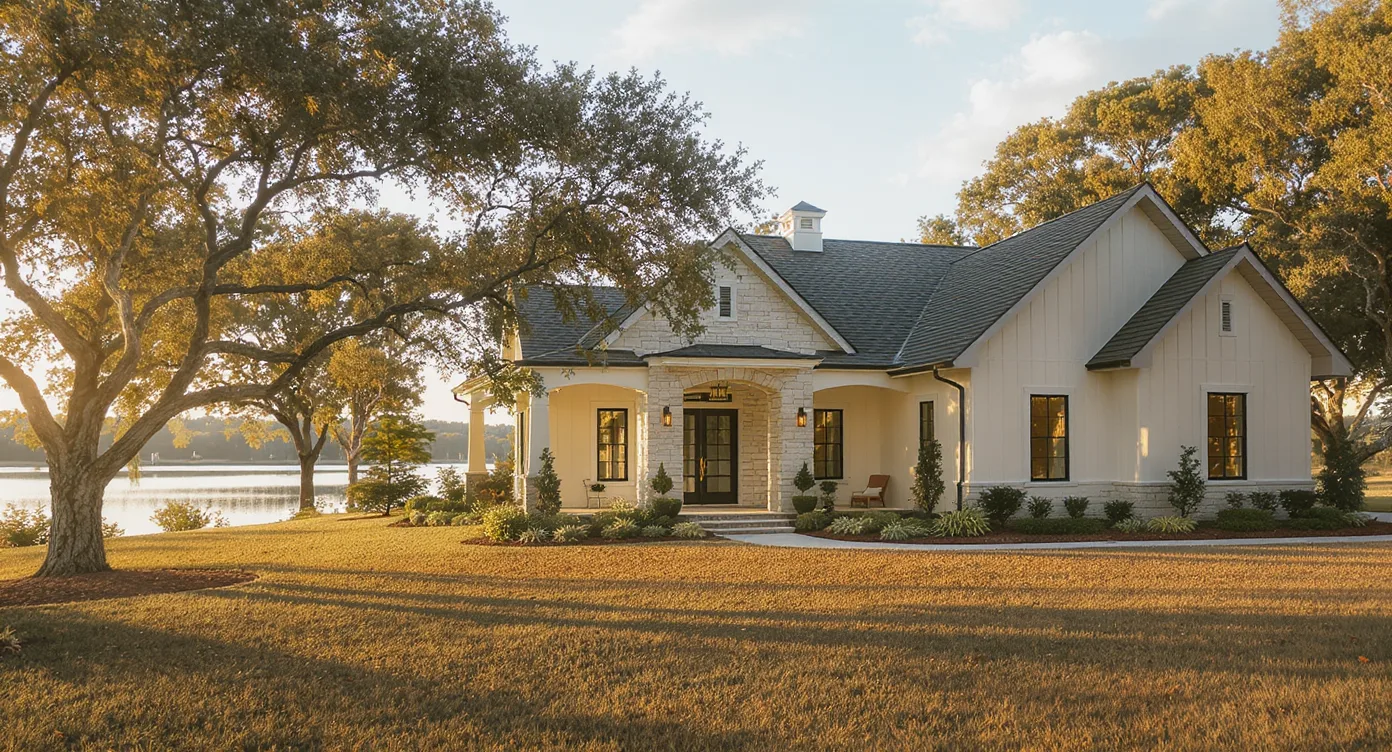
Build-on-your-lot construction means building a custom home on land you already own or are buying, rather than on a builder's inventory lot in a subdivision. Instead of choosing from a handful of stock plans on pre-graded pads, you design and build around your specific site: its soil, elevation, flood zone, setbacks, utilities, and the way the light and the oaks fall across it. In Greater Tampa Bay that freedom is a big part of the appeal, especially on inland acreage and estate lots. It also means the process starts earlier and involves a few steps a subdivision buyer never sees. Here's how it actually works.
Start With the Lot, Not the Floor Plan
The most common and expensive mistake is falling in love with a floor plan before anyone has evaluated the land it has to sit on. A good build-on-your-lot process begins with a site feasibility review: What flood zone is the property in? How does the soil test out, and will the foundation need special engineering? Where do power, water, and sewer connect, or does the site need a well and septic system? What do the county's setback, height, and lot-coverage rules allow? If you haven't closed on the land yet, it's worth making the purchase contingent on that review, or at least walking the property with your builder first. A lot that looks perfect can carry constraints that quietly reshape the design and the budget.
Design to the Land and the Code
Once the site is understood, design can respond to it instead of fighting it. Orientation, floor elevation, and the foundation type all flow from the lot's conditions. This is where a design-build approach earns its keep on a build-on-your-lot project: the same team evaluating the site is the one drawing the home and, later, building it, so the flood elevation, drainage, and structural decisions get made together rather than handed off between an architect and a contractor. Florida also holds new homes to a demanding standard. Every home is engineered to the Florida Building Code, 8th Edition (2023) and its wind-load requirements, and any new slab carries the code's mandatory soil termite pre-treatment and vapor barrier. Designing with those requirements in mind from day one keeps them from becoming costly surprises at plan review.
Permitting and Site Work
With plans complete, the project moves into permitting and site preparation. On a raw lot, site work can include clearing, grading, drainage, driveway and utility runs, and (depending on the property) a well and septic installation. Permitting happens through the jurisdiction that governs your land, which is the relevant county or city building department, and construction can't legally begin until the permit is issued. Rural and acreage properties are typically permitted at the county level and involve more site infrastructure than a city infill lot, while a lot inside city limits may connect straight to municipal utilities. None of it is exotic, but the sequence matters: the land gets ready, the permit gets issued, and only then does vertical construction start. Scoping the site work honestly at the beginning, not treating it as an afterthought once design is done, is what keeps a build-on-your-lot budget from drifting.
Tampa Bay Lots: What to Watch For
Greater Tampa Bay's land is as varied as its neighborhoods, and the submarket shapes the build. Inland Plant City and eastern Hillsborough and Polk County acreage often means well-and-septic estate builds on generous lots, where driveways and service runs are longer and county permitting applies. Coastal and near-water lots in Pinellas and along the bay bring flood-zone elevation requirements and the wind-borne-debris opening protections that the code mandates near the coast. Lakeland's lake-dotted terrain adds shoreline setbacks and grading considerations of its own. The honest way to price and plan a build-on-your-lot home is to evaluate your specific parcel rather than a generic per-square-foot figure, because on your own land, the site is half the project. Carapezza has been building custom homes on Tampa Bay lots since 1989, and every one of them starts with the ground it stands on.
Thinking about building on your own lot in Greater Tampa Bay? Call (813) 707-0235 or explore our custom homes and portfolio, then contact us for a site feasibility conversation.
Questions
Frequently Asked Questions
What does build-on-your-lot mean?+
Build-on-your-lot means constructing a custom home on land you already own or are buying, rather than on a builder's inventory lot in a subdivision. The builder designs and builds around your specific site (its soil, flood zone, setbacks, utilities, and views) instead of dropping a stock plan onto a graded pad.
Should I buy the lot before choosing a builder?+
It's smart to involve a builder before you close on land, or at least make the purchase contingent on a site evaluation. Flood zone, soil conditions, utility access, and setback rules can dramatically change what you can build and what it costs. A quick feasibility review can save you from buying a lot that fights your plans.
Can I build on rural or acreage property in Florida?+
Yes, and it's common in inland areas like Plant City and eastern Hillsborough and Polk counties. Rural and acreage builds often involve well and septic systems instead of municipal utilities, longer driveways and service runs, and county rather than city permitting. Those factors are all workable, but they need to be scoped early.
How long does a build-on-your-lot home take?+
Plan on several months to a year or more from first design meeting to move-in, depending on the home's size and complexity. Design, engineering, and permitting all happen before construction starts, and site work on a raw lot adds time that a finished subdivision pad wouldn't.
Does build-on-your-lot cost more than a subdivision home?+
It depends entirely on the land and the design. Site work, utilities, and site-specific engineering vary widely from lot to lot, which is why build-on-your-lot pricing is best handled through a real feasibility review of your property rather than a generic number. We keep pricing conversations tied to your specific site and selections.
Related Guides
Our Disciplines
More Guides
Get Started