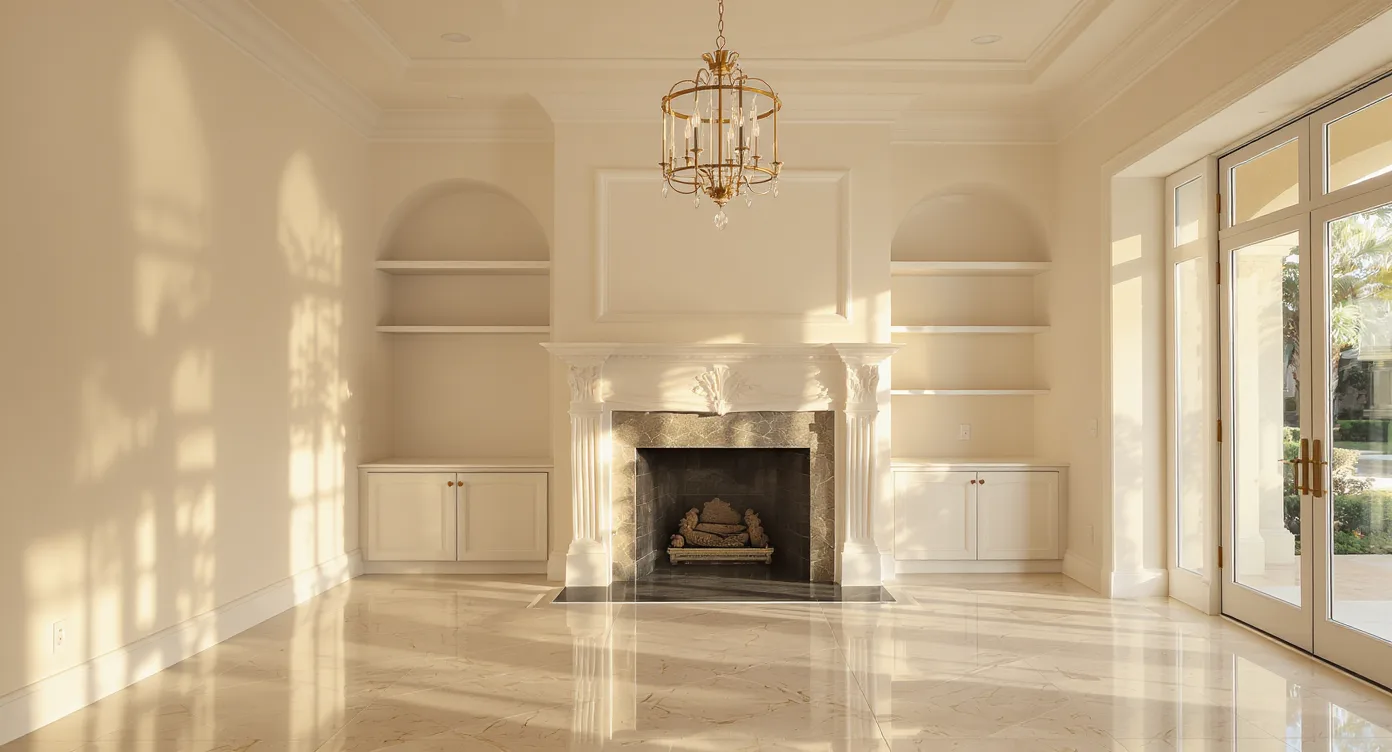
historical renovation
Renovating a Historic Home in Downtown Plant City
Renovating a historic home in Downtown Plant City? Here's how the historic districts, century-old construction, and design-build change the project.
Renovating a historic home in Downtown Plant City is a different project than remodeling a newer house, because you're working inside a designated historic district with character-defining features worth protecting and century-old construction behind the walls. Downtown Plant City has real historic fabric: the Downtown Plant City Historic Residential District was listed on the National Register in 1998 and contains 185 historic buildings, set along brick streets with granite curbs, mature oaks and magnolias, and the deep front porches that define the neighborhood's look. A good renovation here modernizes how the home lives while keeping what makes it worth saving. Carapezza has handled historical renovations across Greater Tampa Bay since 1989, with design and construction under one roof.
Know the District Before You Design
The first step isn't a floor plan. It's confirming the property's status. Plant City maintains several designated areas, including the residential district above and the Downtown Plant City Commercial District, listed on the National Register in 1993 with 58 buildings dating from 1901 to 1925, built in a masonry vernacular style with brick construction and decorative brickwork, alongside Beaux-Arts and Mediterranean Revival examples. The City of Plant City's planning department keeps historic district resources that show boundaries and which structures contribute to a district.
Why it matters: work on a designated historic property, particularly anything touching the exterior or a character-defining feature, can carry review beyond an ordinary building permit. Finding that out during design is routine. Finding it out after you've committed to a plan that won't be approved is expensive. We check status first and build any applicable review into the schedule.
Preserve the Character, Rebuild the Systems
The craft of a historic renovation is keeping the parts that give the home its identity while quietly replacing the parts that fail. On a 1900s-to-1920s Plant City home, the features worth preserving or faithfully replicating usually include:
- The front porch and its proportions, the single most visible character-defining element on these streets.
- Original wood windows and their trim, repaired or matched rather than swapped for generic replacements.
- Heart-pine floors, masonry detailing, and interior millwork that can't be bought new at the same quality.
Behind those, almost everything is fair game to modernize: knob-and-tube or early wiring, galvanized or cast-iron plumbing, the absence of real insulation, and undersized electrical service all get brought up to current code where the walls are already open.
Plan for What the Walls Are Hiding
The defining risk of any old-home renovation is what you can't see until demolition starts. Century-old homes have been added onto, rewired, and re-plumbed piecemeal over generations, and the framing has had decades to settle or be altered. A slab or a plaster wall almost always reveals something: a rotted sill, a compromised joist, a splice that never should have passed. This is exactly where the design-build model helps: because the same team designs and builds, a structural surprise gets a decision in the same meeting it's found in, instead of bouncing between an architect and a contractor for weeks while the job sits open.
We scope historic projects with contingency built in, precisely because "we'll figure it out when we open the wall" is a plan on these homes, not a hope. It also changes how the work sequences: on a century-old home we often stage demolition so the structure and systems are exposed and priced before the finish selections are locked, rather than committing to cabinetry and tile against a wall we haven't opened yet. That order protects your budget from the two most common old-home surprises (a failed structural member and a systems replacement that wasn't in the original scope).
Downtown Plant City Specifics
What makes this district worth the extra care is exactly what makes it demanding: the brick streets, the granite curbs, the oak and magnolia canopy, and a housing stock old enough that the National Register recognizes it. A renovation that respects that context, with porch lines that match the street, materials that read right from the sidewalk, and modern systems kept invisible, protects both the home's character and its value in a neighborhood where that character is the whole point.
Renovating a historic home in Downtown Plant City? Call (813) 707-0235 or explore our historical renovation and whole-home renovation services to talk through your home's specifics.
Questions
Frequently Asked Questions
Is my home in a Plant City historic district?+
It may be. Plant City has multiple designated historic districts, including the Downtown Plant City Historic Residential District and the Downtown Plant City Commercial District. The City's planning department maintains historic district resources that show boundaries and which properties contribute to the district.
Do I need special approval to renovate a historic home in Plant City?+
Work on a designated historic property, especially anything that changes the exterior or the character-defining features, can carry review requirements beyond a standard building permit. We confirm the property's status and any applicable review early in design so it's built into the timeline, not discovered mid-project.
Can you keep the original character of a 1920s home while modernizing it?+
Yes. That balance is the point of a historical renovation. Original features like front porches, wood windows, heart-pine floors, and masonry detailing can be preserved or replicated while wiring, plumbing, HVAC, and insulation are brought up to current standards behind the walls.
What usually surprises people renovating an old Plant City home?+
The condition of things you can't see until walls open up: original wiring, cast-iron or galvanized plumbing, and framing that's settled or been altered over decades. Older masonry and wood-frame homes almost always reveal something during demolition, which is why we scope for contingencies up front.
Does Carapezza specialize in historic renovations?+
Historical renovation is one of our core specialties, and we've worked on older homes across Greater Tampa Bay since 1989. Design-build is especially well suited to historic work because the structural questions on a century-old home tend to surface during construction, not on paper.
Related Guides
Our Disciplines
More Guides
Get Started